 Vessel & Voyage
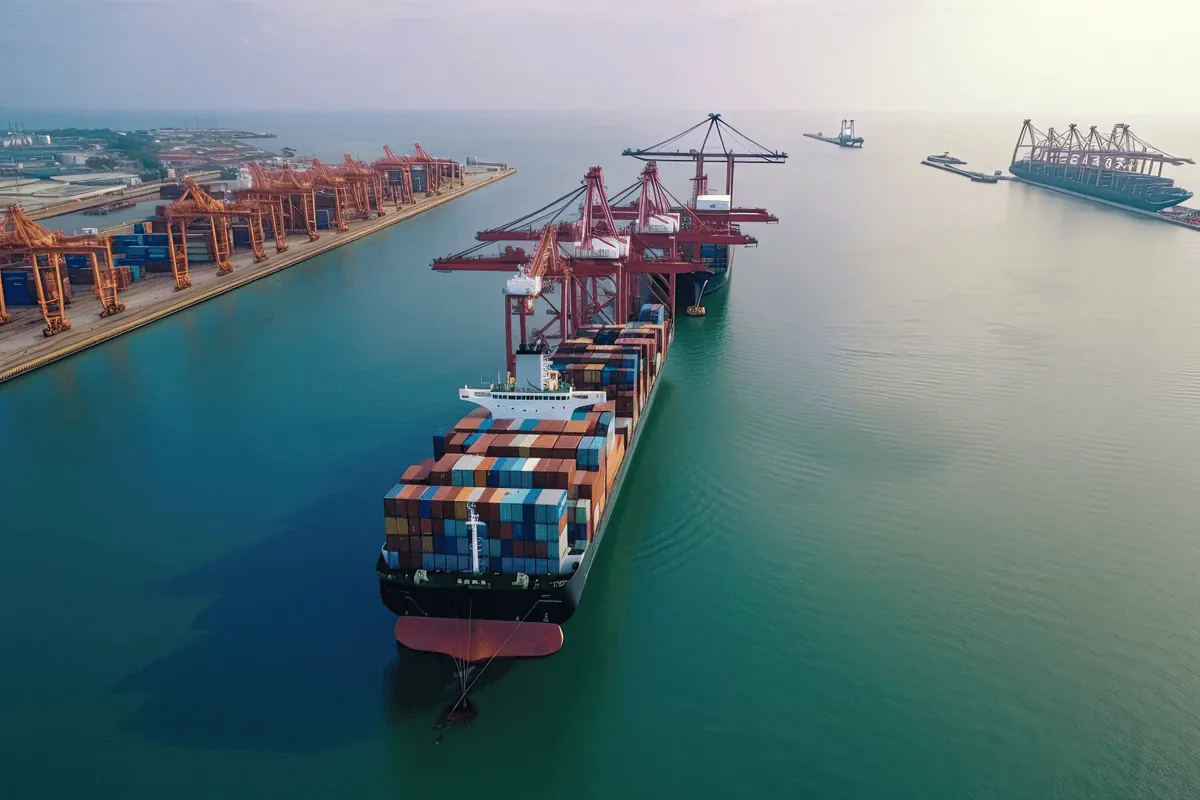
Can the vessel physically and operationally use the berth?
LOA, beam, draft, air draft, vessel class, mooring requirements, ETA, route, service type and next port of call.

Portall | Maritime Operations
Planning the right berth for the right vessel at the right time.
Berth allocation brings together vessel schedules, cargo requirements, berth constraints, yard capacity, marine resources and operational priorities into one coordinated decision.
The process starts when the port or terminal receives information about an upcoming vessel call. An initial plan is prepared in advance and progressively refined as the expected arrival and operating conditions become clearer.
Berth allocation is a staged process — planned in advance, confirmed closer to arrival and revised when conditions change.
ETA, vessel, voyage and cargo information becomes available.
A suitable berth is identified against known constraints.
Actual ETA, berth occupancy and resources are updated.
The planned berth and expected berthing time are communicated.
New conditions can trigger a revised allocation.
The exact responsibility depends on the port operating model. For a terminal-specific berth, the terminal or berth/vessel planner is typically the key planning role, while the Port Authority or port operator manages the wider port and marine environment.
Develops the berth plan and matches the vessel with berth, yard, equipment and operational resources.
Oversees port-wide marine access, navigational safety, regulations and vessel movement coordination.
Provides vessel particulars, voyage, cargo, ETA and special requirements, and communicates changes.
Pilots, tugs and VTS support safe vessel movement and confirm marine capability for the call.
Provide visibility into yard capacity, cargo flow, equipment, labour and operational readiness.
The decision combines physical compatibility with cargo, yard, voyage, marine, safety and commercial considerations.
Vessel & Voyage
LOA, beam, draft, air draft, vessel class, mooring requirements, ETA, route, service type and next port of call.
 Cargo
Cargo
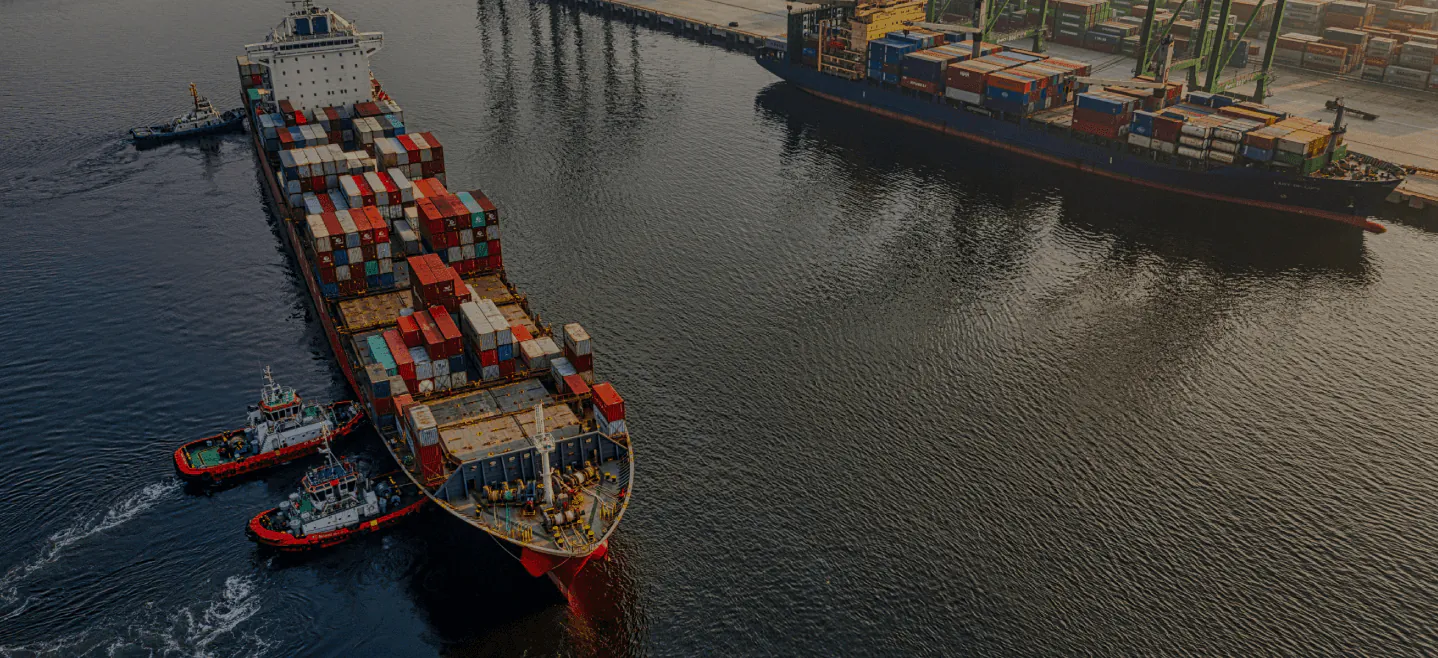
Cargo type, cargo volume, loading/discharge requirements, special cargo, crane demand and expected berth occupancy.
 Yard
Yard
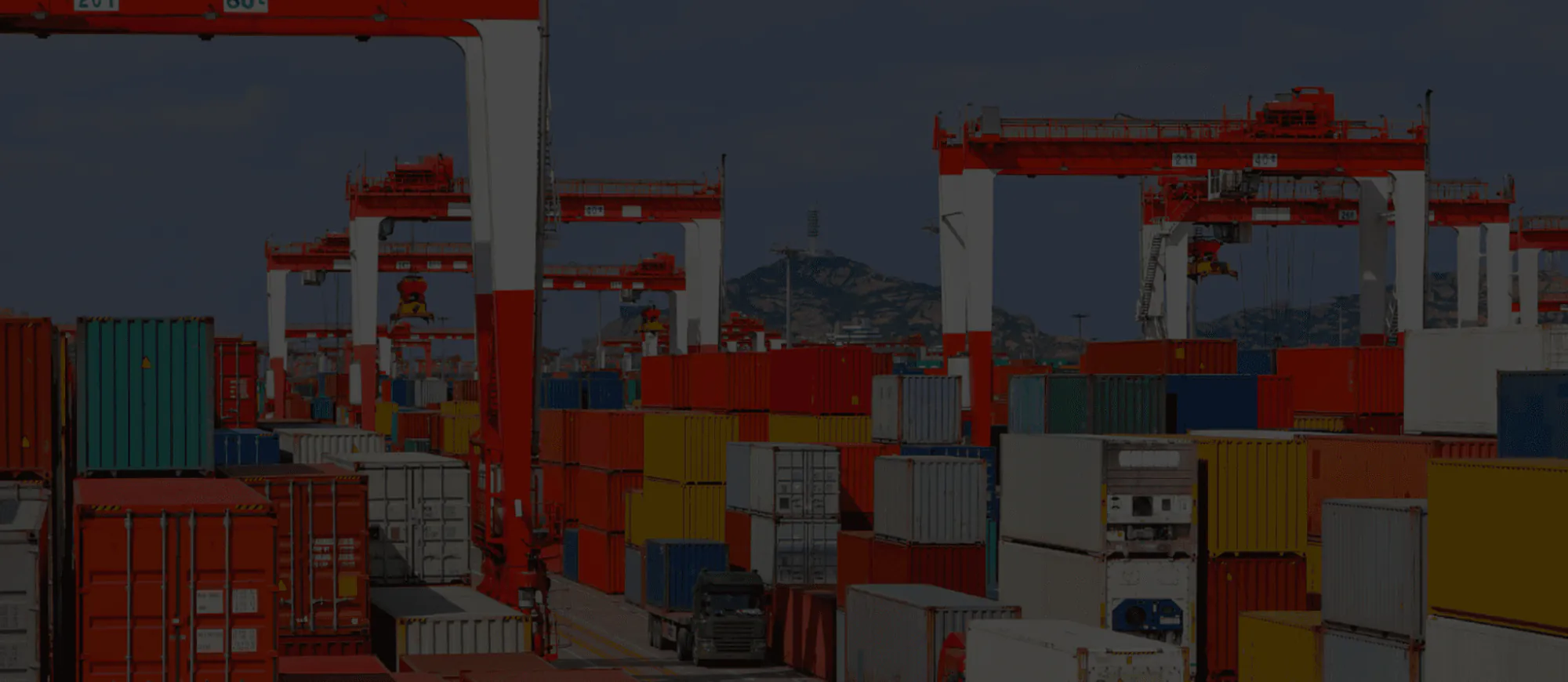
Yard capacity, block availability, reefer plugs, DG/OOG areas, internal transportation requirements and congestion.
 Berth & Infrastructure
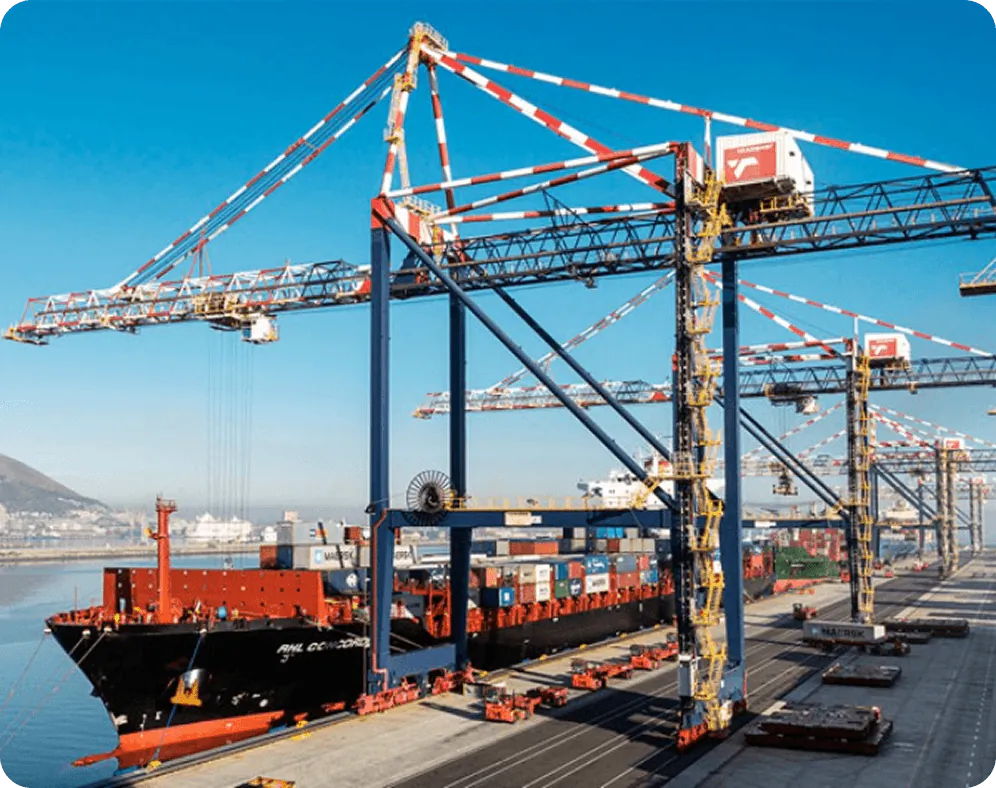
Berth dimensions, draft limitations, crane outreach and compatibility, pipelines, conveyors and other cargo-specific infrastructure.
Marine & Safety
Channel depth, tides, weather, wind, currents, navigational restrictions, pilot availability, tug availability and manoeuvring requirements.
 Commercial & Service
Berth windows, service commitments, priority arrangements and demurrage/despatch exposure.
The exact systems and interfaces vary by port, but the operational objective is consistent: ensure the berth decision and relevant information reach the stakeholders coordinating the vessel call.
A berth that was suitable when first planned may no longer be the best option when the operating situation changes.
Changes originating within the port or terminal environment.
Changes originating from the vessel, shipping line or voyage.
Berth allocation is a port-level decision. Vessel movements, berth occupancy, resources, environmental conditions and stakeholder information all influence when, where and how a vessel can be berthed. Portall addresses different layers of the berth journey through PMIS, PCS and TOS — from port-level allocation, to stakeholder coordination, to terminal execution.
Berth Management and Allocation sits at the port level, where vessel movements, berth occupancy and wider port conditions need to be considered together.
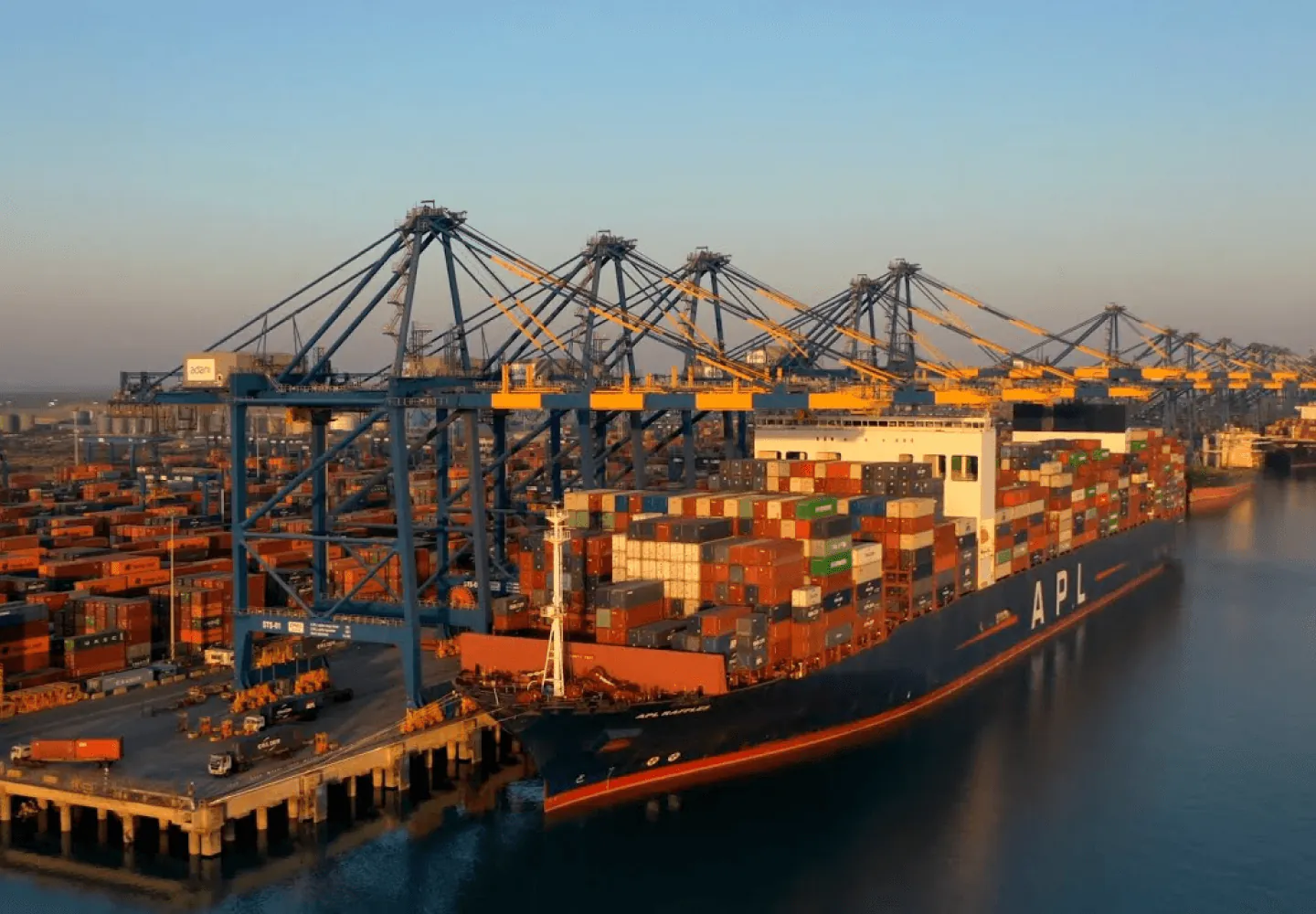
Portall PMIS provides the port-level operational layer for berth management and allocation, supported by visibility, monitoring, analytics and decision support.
The berth request, vessel information and related submissions need to move efficiently between the stakeholders involved in the vessel call.
Portall PCS provides a single-window environment for information exchange, digital submissions and stakeholder coordination across the port community.
Once a berth is allocated, the terminal must coordinate the vessel, cargo, yard, equipment and resources required to execute the call.
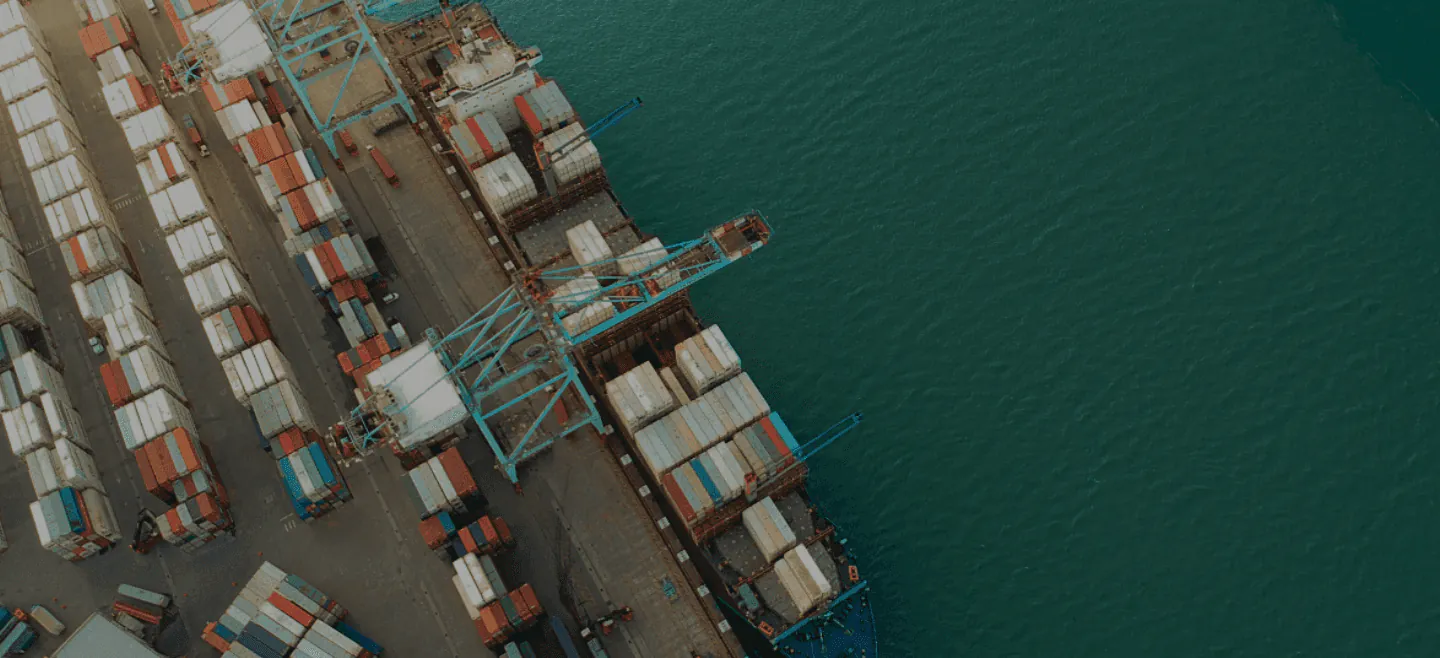
Portall TOS connects berth management with the wider terminal operation, supporting vessel scheduling, berth and bay optimisation, yard operations and resources.
Manages port-level berth allocation and operational visibility.
Coordinates information and digital processes across stakeholders.
Executes and optimises the terminal-side vessel operation.
From the first vessel call information to the final performance insight, berth allocation is a continuous cycle of planning, execution and adjustment.
What analysis returns feeds the next vessel call, and the cycle begins again.
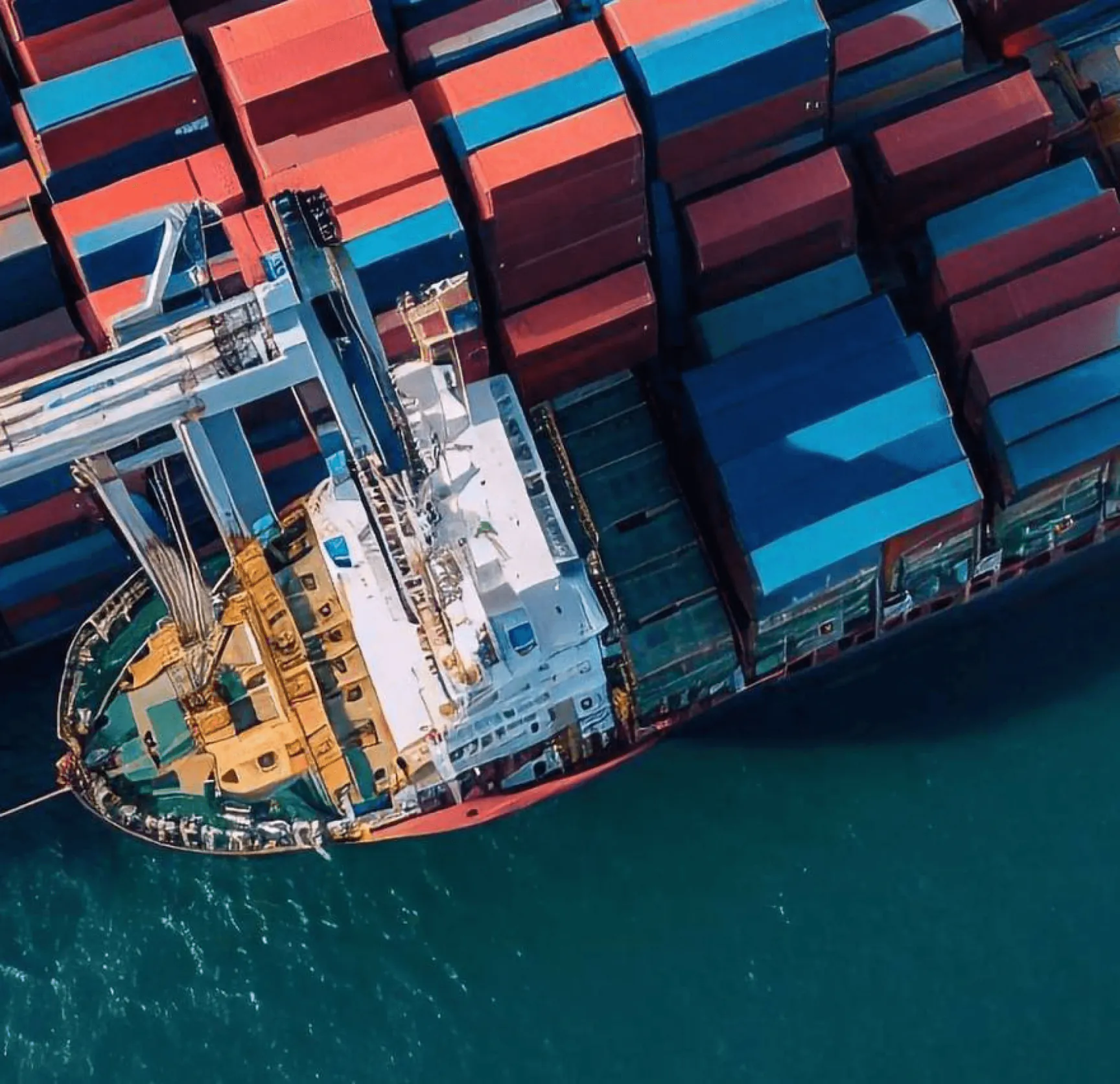
When vessel, cargo, berth, yard, equipment, marine and port information are connected, berth allocation becomes a continuous, data-driven operational process rather than a standalone scheduling activity.