Getting every ship to the right berth at the right time.

Every berth call pulls in the ship's ETA, its cargo, the limits of the quay, room in the yard, the pilots and tugs that will bring it alongside, and whatever else the port is juggling that day. Planners pencil in a berth days out and keep working on it until the ship is tied up.

6

Stages, from pre-arrival notice to all fast

6

Checks behind every berth call

3

Portall products, one for each layer of the call

A berth plan is made early and changed often

Planning starts the day the agent's notice lands and runs until the first line goes ashore. The berth is pencilled in early, firmed up as the ETA tightens, and moved again whenever the picture changes.

berth decision = ship fits + cargo fits + yard has room + safe to berth + commitments met, re-checked every time something changes

The six steps of every berth decision

Every ship goes through these six steps. Calls go smoothly when nobody has to redo any of them.

01
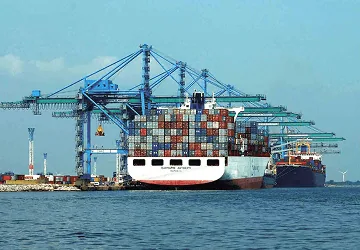
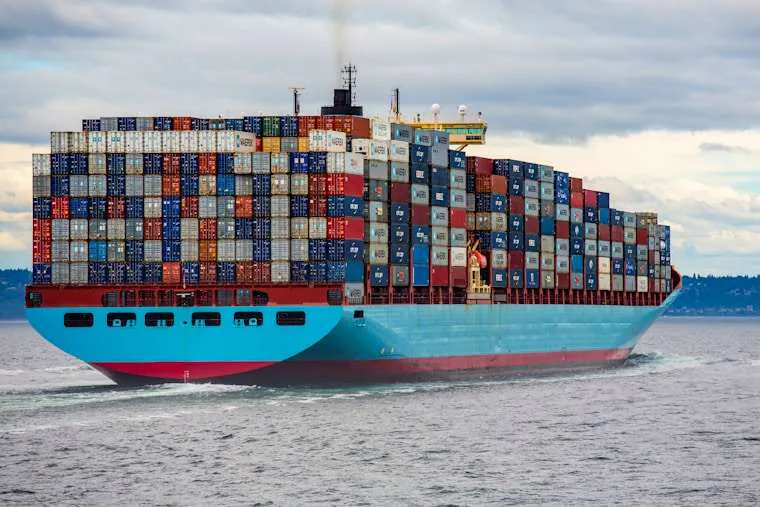
A loaded container vessel under way, still days from the port

Vessel call received

Work starts as soon as the port knows a ship is on the way, usually well before it shows up.

Process Vessel & voyage details Cargo details First ETA Call logged
In practice

The line or agent sends a pre-arrival notice 24 to 72 hours out. It carries the vessel particulars (LOA, beam, draft), the cargo type and a first ETA.
02
Containers stacked along the quay beside an empty berth

Initial plan

The planner picks a berth against what is known today, checking the ship and its cargo against what the berth and the yard can take.

Process Constraints checked Berth options weighed Berth proposed
In practice

This is the first run through the six factors set out below: vessel, cargo, yard, berth, marine and commercial. It will not be the last.

03
Quay cranes and berth occupancy being checked as the vessel's arrival time firms up

Plan refined

Closer to arrival the estimates get replaced: the real ETA, who is actually sitting on the berth, and which cranes and crews are free.

Process ETA updated Occupancy checked Resources confirmed Plan adjusted
In practice

ETA is the number that moves most. A few hours either way can put two ships on one berth, or leave a crane standing idle further down the schedule.

04
Containers and handling equipment on the quay awaiting clearance to work

Regulatory clearance

Cargo work cannot start until the authorities that govern entry sign off. That clearance runs on its own track, separate from the berth.

Process Customs Immigration Port health Port authority Cleared to operate
In practice

The two run side by side. A berth can be fixed and confirmed while the ship still waits on a clearance that has nothing to do with it.

05
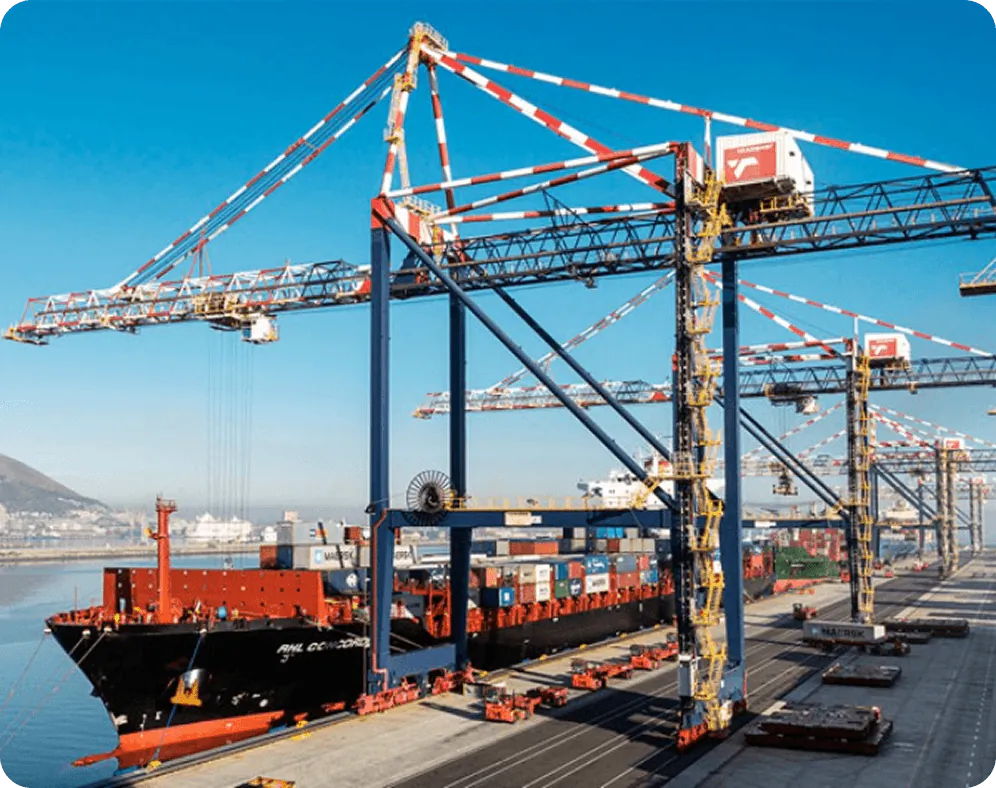
Cranes working a container vessel secured alongside its allocated berth

Berth confirmed

Once the berth is settled, word has to reach the ship and everyone else working the call.

Process Berth finalised Berthing time set Information communicated
In practice

The berth number, the side going alongside, the expected berthing time and any operating instructions travel through PMIS and PCS to the agent and the ship.

06
A terminal berth being reworked as the operating picture changes

Replanned if needed

A berth that looked right when it was planned can stop being the right one, and the change can come from either side.

Process Change detected Impact assessed Plan revised Stakeholders updated
In practice

Changes from the port and changes from the ship are both routine. That is why the plan stays provisional until the first line goes ashore.

A ship needs a confirmed berth and full clearance. Without both, it waits.

The terminal planner is central, but not alone

Who owns the call depends on how the port is run. At a terminal berth the terminal or vessel planner usually holds the pen, while the Port Authority looks after the channel, the marine side and movements across the wider port.

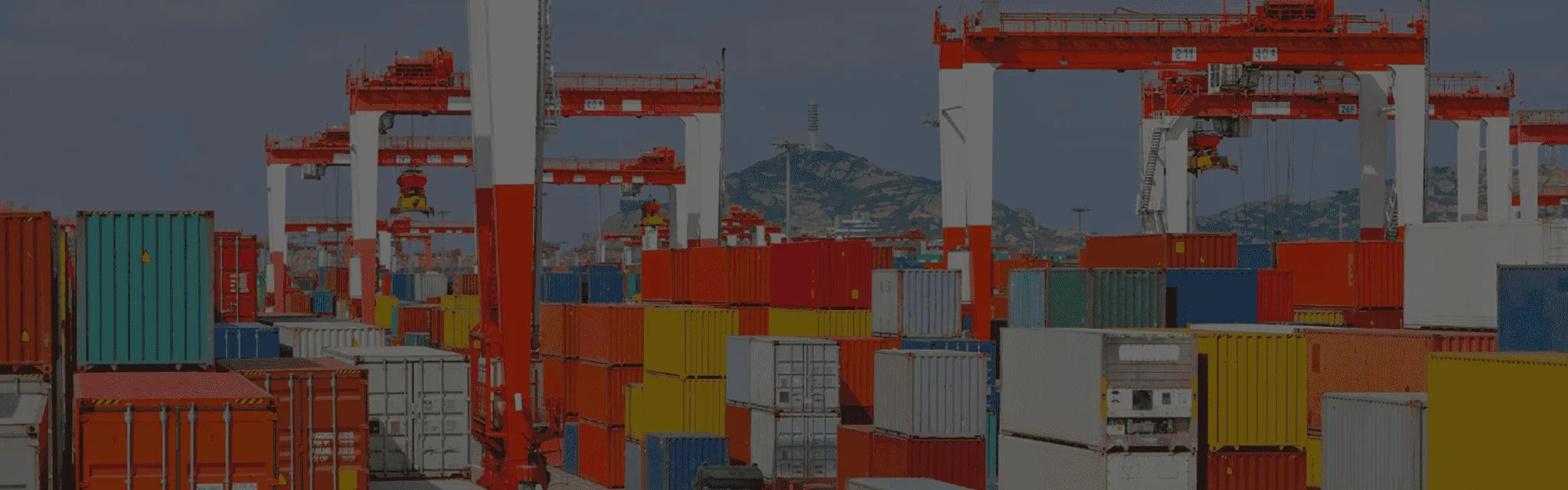
A container terminal in daylight, gantry cranes standing over the stacks

Terminal / Berth Planner

Draws up the berth plan and lines the ship up with quay space, yard, cranes and gangs.

Port Authority / Harbour Master

Controls port access, navigational safety, regulation and ship movements, including Vessel Traffic Service (VTS).

Shipping Line / Agent

Sends the particulars, voyage, cargo, ETA and any special requests, then passes on every change.

Marine Services (Pilots & Tugs)

Bring the ship in, turn it and moor it, and confirm the marine side can handle the call.

Customs & Regulatory Authorities

Give the customs, immigration and port health clearances that cargo work waits on.

Yard & Operations

Say how much the yard can take, and whether equipment, labour and cargo flow are ready to go.

A berth is selected by balancing the vessel against the operating environment

Six things get weighed together. A berth that answers five of them and fails the sixth is still the wrong berth.

Vessel & Voyage

Will the ship fit, and can it work here?

LOA, beam, draft, air draft, vessel class, mooring needs, ETA, rotation, service and next port of call.

Cargo

Can this berth handle what the ship is carrying?

Cargo type and volume, load and discharge plan, special cargo, crane intensity and how long the ship will tie up the berth.

Yard

Can the yard take what the ship brings and loads?

Yard capacity, free blocks, reefer plugs, DG and OOG areas, internal trucks and congestion.

Berth & Infrastructure

Has the quay got the right kit?

Quay length, depth alongside, crane outreach, pipelines, conveyors and anything else the cargo needs.

Marine & Safety

Can the ship get in and stay alongside safely?

Channel depth, tidal window, weather, wind and current, navigational limits, pilot and tug availability, and room to swing.

Commercial & Service

What has the port promised?

Berth windows, liner service commitments and priority berthing. On bulk and tanker charters, laytime, demurrage and despatch ride on the decision too.

The decision moves through the port ecosystem

Systems and interfaces differ from one port to the next. The job is the same everywhere. Get the berth decision to everyone working the call.

Stacked containers at a terminal, where the confirmed berth plan turns into cargo work
01 · Planning

Berth finalised

Terminal / Berth Planner

02 · Terminal

Allocation shared

TOS

03 · Port community

Information distributed

PMIS / PCS

04 · Agent

Vessel informed

Shipping Agent / Line

05 · Vessel

Berthing prepared

Vessel / VTS / Marine

The message usually carries the berth number, side alongside, expected berthing time and any marine or operating instructions.
How it travels depends on how the port's systems are connected.

Berth allocation remains dynamic throughout the vessel call

The berth that suited a call at planning time can stop suiting it once things on the ground move.

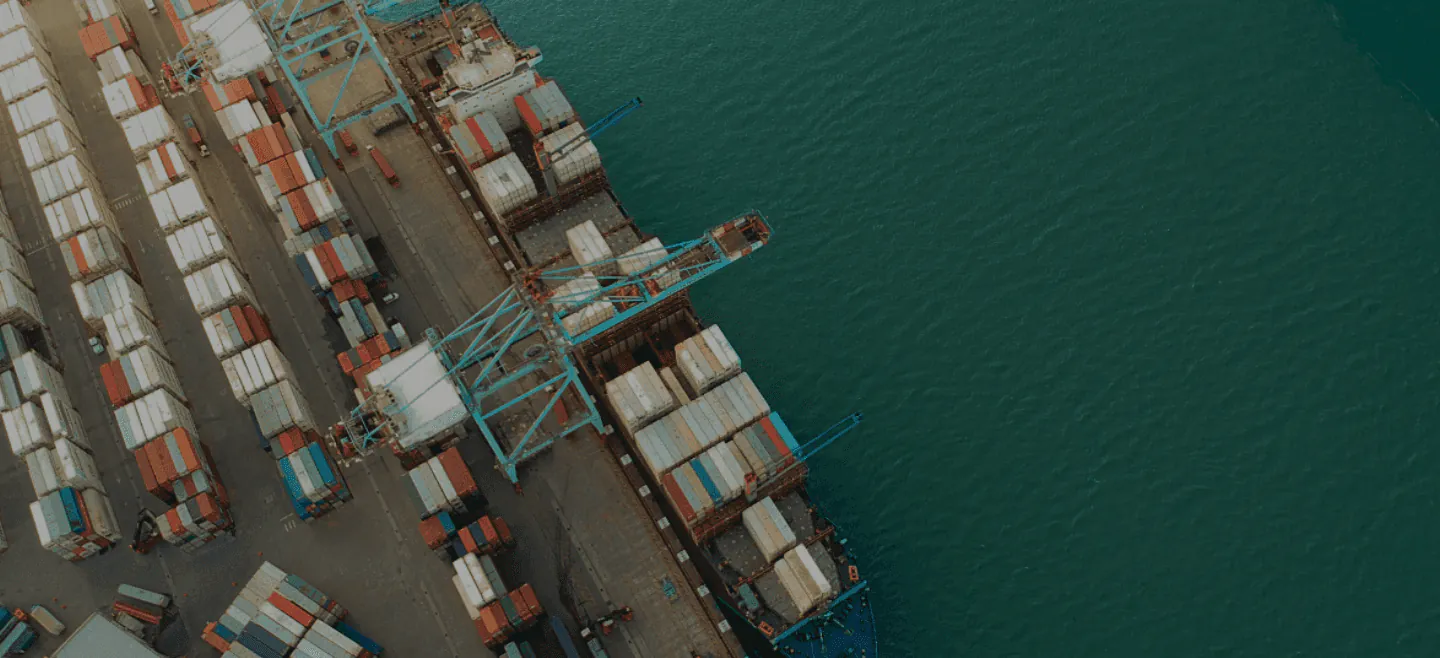
Aerial view of a container yard, where congestion and occupancy keep shifting through the call

Quay-side changes

What the quay sets off

  • Berth maintenance or breakdown
  • Crane or equipment out of service
  • Yard congestion
  • Ship alongside overstaying its window
  • Weather or marine restrictions
  • Emergency or priority calls

Ship-side changes

What the ship, line or voyage sets off

  • Revised ETA or late sailing from last port
  • Change in cargo volume or mix
  • Change in port rotation
  • Late special cargo bookings
  • Change in expected port stay
  • Updated vessel particulars

Revising the plan is routine. A plan that cannot be revised is the one that costs time.

Where Portall’s PMIS, PCS and TOS fit in

Three Portall products cover three points in the same call: PMIS at port level, PCS across the port community, TOS inside the terminal gate.

PMIS

Manage and allocate the berth

Puts vessel movements, berth occupancy and conditions across the port in front of whoever is allocating, and handles the allocation, any reallocation, movement monitoring and resource coordination.

PCS

Coordinate the berth call

One window for vessel-call information, berth requests, digital submissions and the back and forth between everyone in the port community.

TOS

Execute and optimise terminal operations

Ties the terminal's berth plan to vessel scheduling, berth and bay planning, the yard and the equipment that works the ship.

When this disrupts the plan What needs to improve Relevant layer
Berth maintenance or equipment unavailability Real-time resource and berth visibility PMIS
Yard congestion Yard and equipment coordination TOS
Another vessel overstaying Occupancy monitoring and reallocation PMIS
Revised ETA or other vessel-led changes Stakeholder communication and replanning PCS / PMIS
Special or regulated cargo (DG / OOG) Terminal-side yard and equipment planning TOS
Regulatory clearance delays Digital submission and stakeholder coordination PCS

A 360 degree view of the berth decision.

When the vessel, cargo, berth, yard, equipment and marine picture all sit in one place, a planner can judge a berth against the whole operating situation rather than scheduling it blind.