A container vessel worked alongside a terminal quay at dusk
Portall · Container Turnaround

Why container turnaround takes longer than it should.

A container moves through a chain of operational activities. Delays can begin with truck arrival or gate processing, build through terminal movement, and eventually affect vessel operations.

The container journey
01
TruckArrival
02
GateEntry
03
YardPlacement
04
EquipmentHandling
05
CargoMovement
06
QuayTransfer
07
VesselOperation

Where turnaround time starts getting lost

A container can lose time at several points before the movement is complete. Each stage has its own operational dependency — and friction at one stage can create additional pressure at the next.

01
Truck arrival

The first bottleneck can happen before the container enters the terminal.

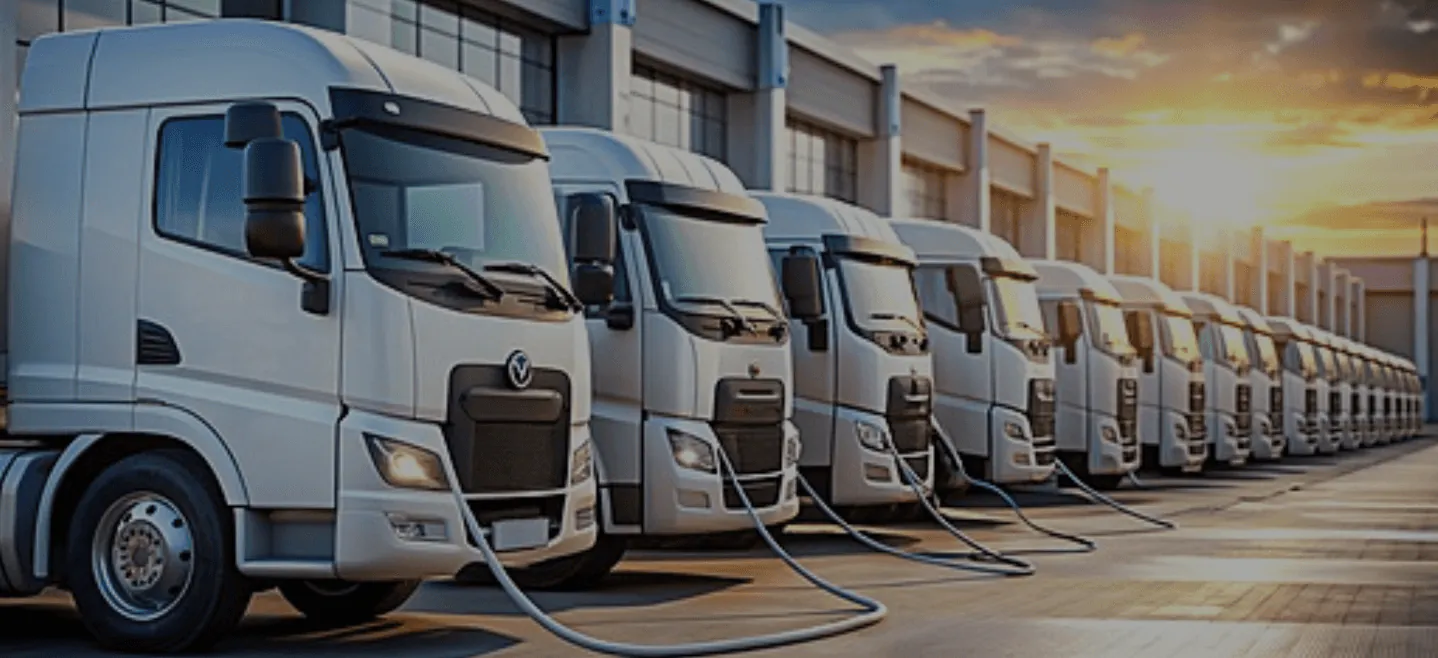
When truck arrivals are not sufficiently coordinated, multiple trucks can converge on the gate at the same time. This creates queues, uneven arrival patterns and pressure on gate resources.

The operational issue is not simply the number of trucks. It is controlling when trucks arrive, how they are processed and how their movement through the gate is coordinated.

Can affectWaiting timeGate throughputTerminal congestion
02
Gate processing

Gate processing can become a manual dependency.

Once the truck reaches the terminal, the gate needs to validate and process the movement. When information has to be checked or captured manually, the transaction can hold up the physical movement.

Truck arrival Verification Gate processing Terminal entry
Can affectEntry processingQueue lengthTruck turnaround
03
Yard placement

Where the container is placed can create work later.

Getting the container into the yard is not the end of the movement. Placement affects available space, future access and the handling effort required when the container needs to move again.

An inefficient placement can lead to additional movement or rehandling during retrieval.

Can affectRehandlingEquipment travelYard utilisationRetrieval effort
04
Equipment

Equipment availability can interrupt the movement.

A container may be ready for its next movement, but the physical handling resource required to execute that movement also has to be available.

Container ready Equipment required Resource available Move executed

When resource allocation does not match operational demand, equipment can be underutilised in one area while another movement is waiting.

Can affectEquipment utilisationWaiting between movesHandling productivity
05
Cargo visibility

Limited visibility makes the operation harder to control.

The container is constantly changing state — arrived, gated, positioned, handled, retrieved and moved toward the vessel.

When cargo and equipment movement is difficult to track in real time, teams have less visibility into what is actually happening and may have to rely on separate information sources or manual updates.

Can affectDecision-makingException handlingTeam coordination
06
Vessel & quay

Vessel operations create a downstream dependency.

The container’s journey eventually connects to vessel operations. Berth scheduling and bay planning influence how load and discharge activities are organised.

When upstream movements are not aligned with vessel requirements, pressure can build toward the quay.

Can affectVessel planningQuay activityLoad / discharge sequence

A delay at one stage can create pressure at the next.

The turnaround problem becomes larger when individual operational delays propagate through the container journey.

Truck arrivesArrival flow is not smooth
Gate delayedEntry takes longer
Yard movement shiftsPlacement and retrieval move
Resources adjustEquipment demand changes
Quay feels pressureVessel operation is affected

Container turnaround is not one problem. It is a chain of connected operational dependencies.

Improvement therefore has to happen at the layer where the constraint actually exists — truck flow, terminal operations, port-wide coordination or stakeholder processes.

Different operational layers. Different Portall solutions.

Portall’s solution portfolio addresses different parts of the wider port and terminal journey rather than positioning one product as the answer to every operational issue.

Portall solution landscape
PORTALLPort & maritime technology solutions
Truck Slot ManagementTruck arrival flow, scheduling and gate entry
Terminal Operating SystemTerminal planning, movement and control
Port Management Information SystemPort-wide operational information
Port Community SystemTrade and stakeholder connectivity

What each Portall solution brings to the operation.

Now that the problem is clear, each solution is presented on its own terms — what it is designed to manage and how it operates.

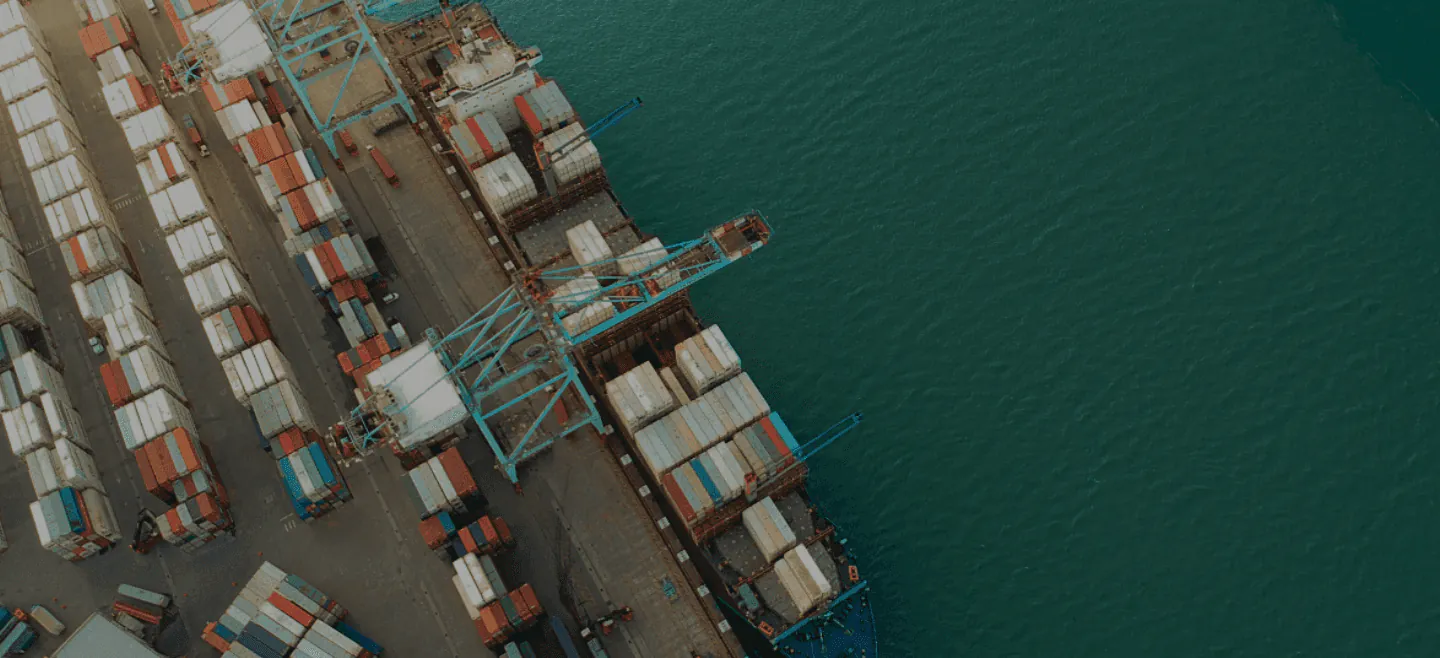
A line of haulage trucks waiting at a terminal depot
01 · Truck flow

Truck Slot Management

Coordinate truck arrivals through slot booking, AI-based scheduling, forecasting, live tracking, notifications and paperless terminal entry.

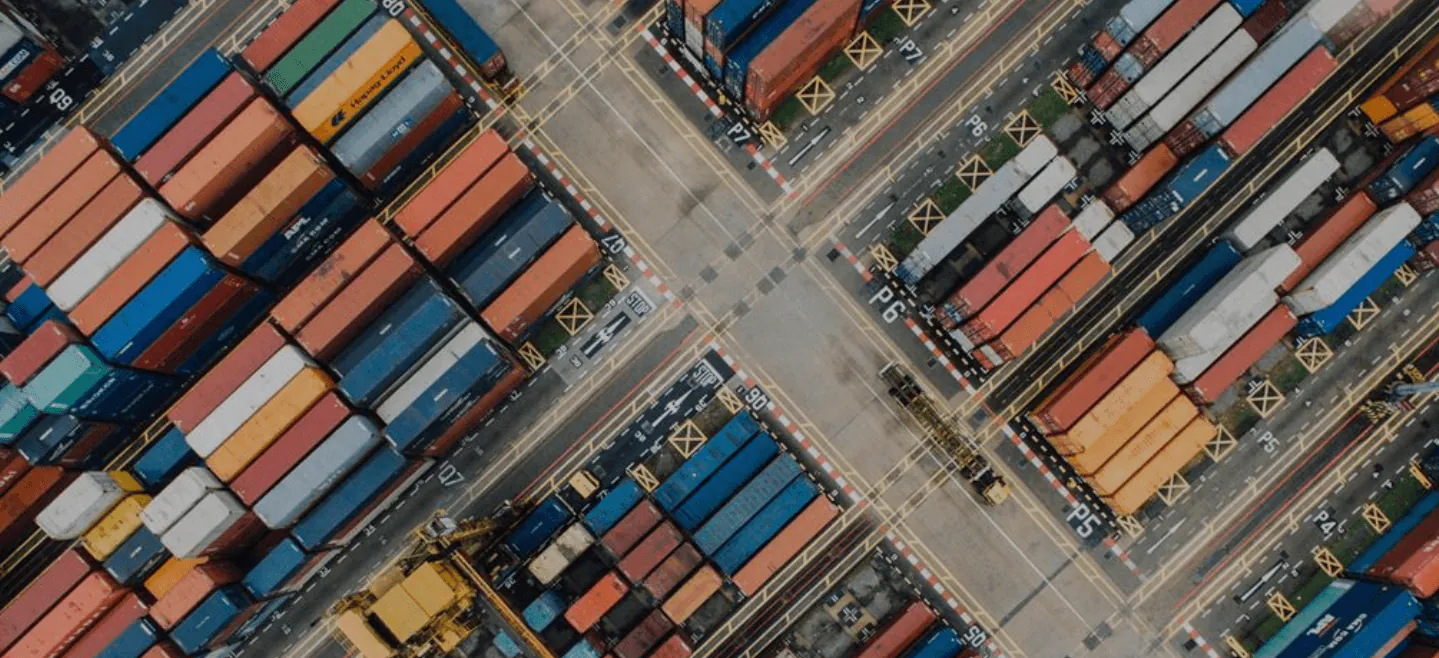
Aerial view of container blocks and internal roadways in a terminal yard
02 · Terminal operations

Terminal Operating System

Manage terminal operations across yard management, cargo tracking, automated gate operations, resource optimisation and berth management.

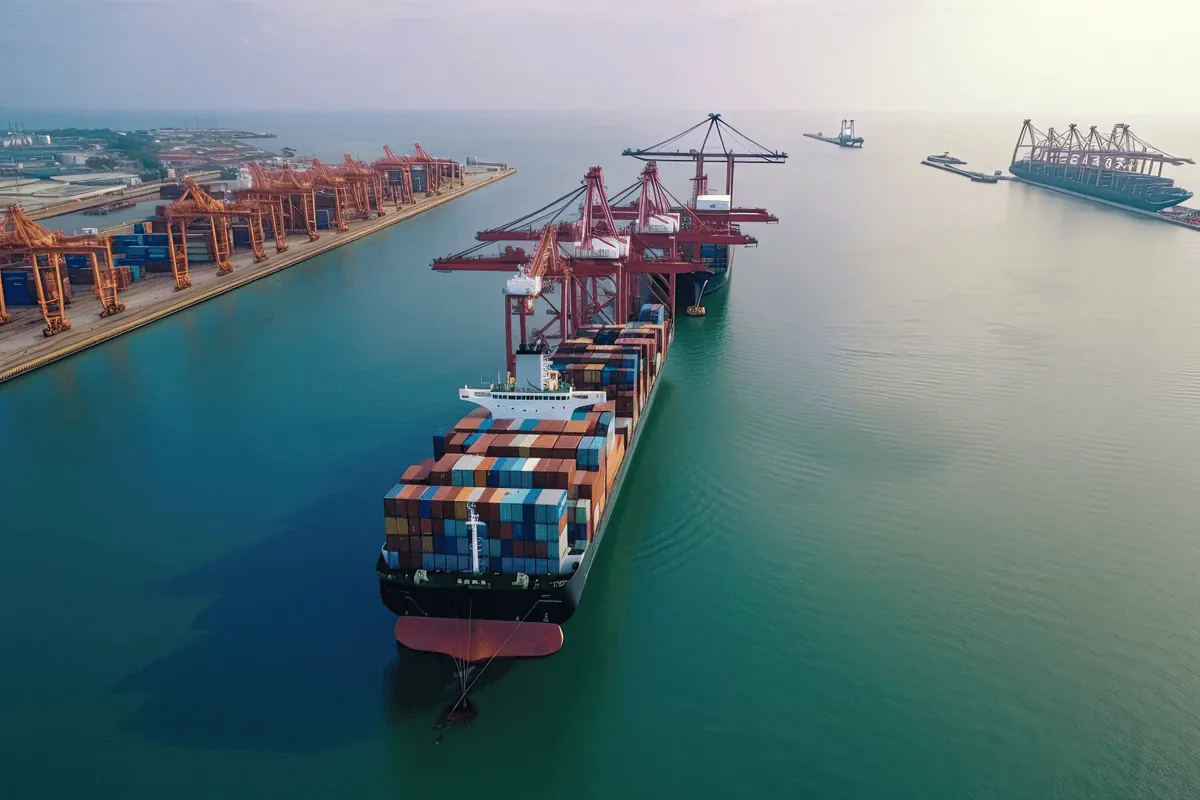
Wide view of a port with vessels alongside the quay and cranes working
03 · Port-wide operations

Port Management Information System

Provide a centralised operational environment for port-wide information, real-time data exchange, dashboards and data-driven decision support.

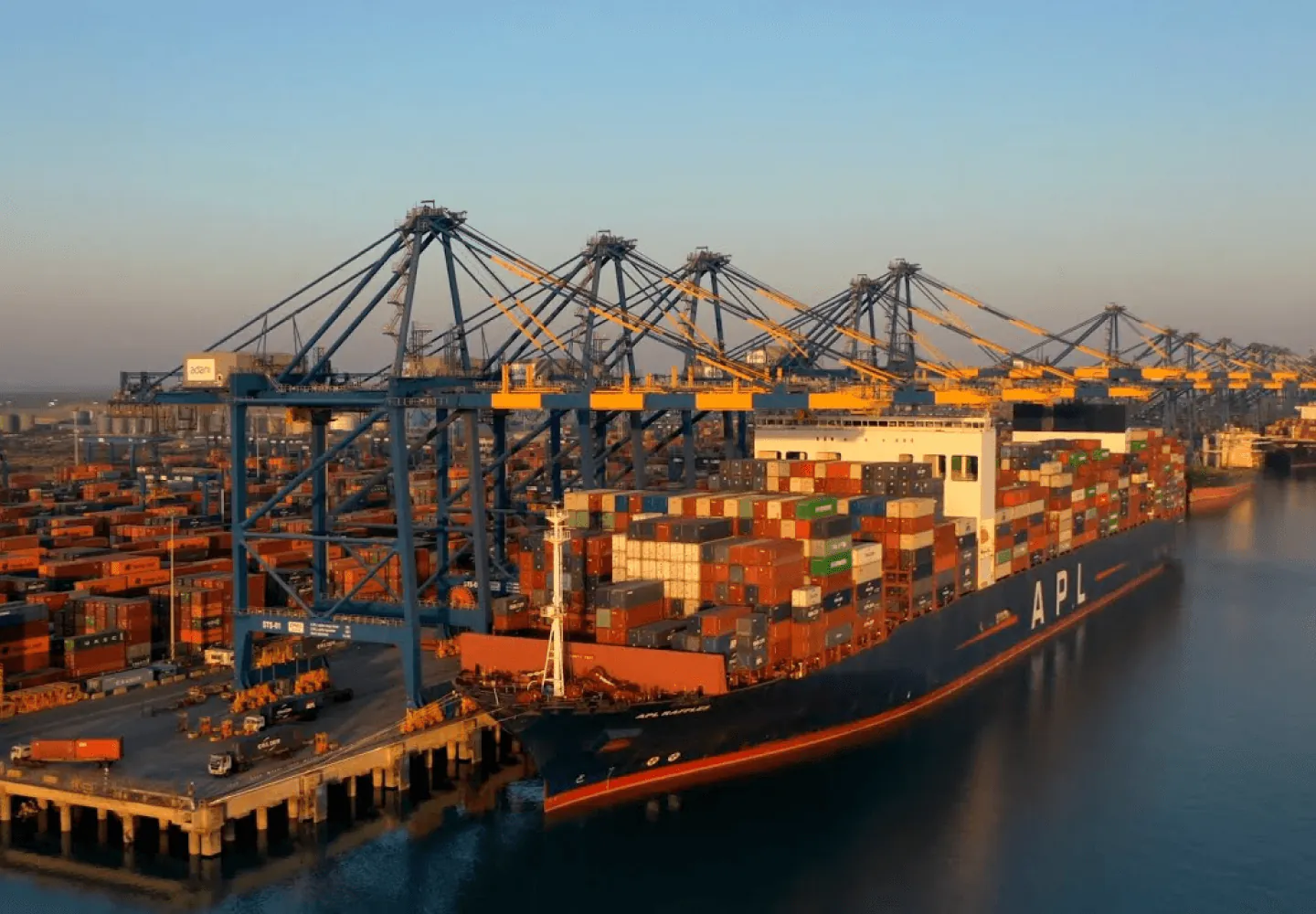
A container vessel being worked alongside a stacked terminal yard
04 · Trade community

Port Community System

Connect stakeholders through digital data exchange, document submissions, approvals and payment-related processes.

What better-connected operations look like.

Once the right operational layers are connected, the focus shifts from chasing individual delays to managing the movement, visibility and coordination of the wider operation.

01

Smoother movement

Fewer interruptions between arrival, entry, handling, storage, retrieval and vessel-side movement.

02

Clearer visibility

Teams can work from a stronger view of cargo, resources and operational activity.

03

Better coordination

Operational information can move more effectively across the terminal, port and wider stakeholder ecosystem.

MoveKeep physical operations flowing
SeeUnderstand what is happening
CoordinateConnect the wider operation

Find the Portall solution for your operational challenge.

Explore the solution that fits the layer of the port or terminal journey you need to improve.

Explore Portall Solutions